Do you live in a hot climate and are looking for the BEST Heat-tolerant fruits and vegetables?
Here is a list of garden plants that can take the heat and flourish while providing you with a delicious crop.
Check out these heat-loving varieties!
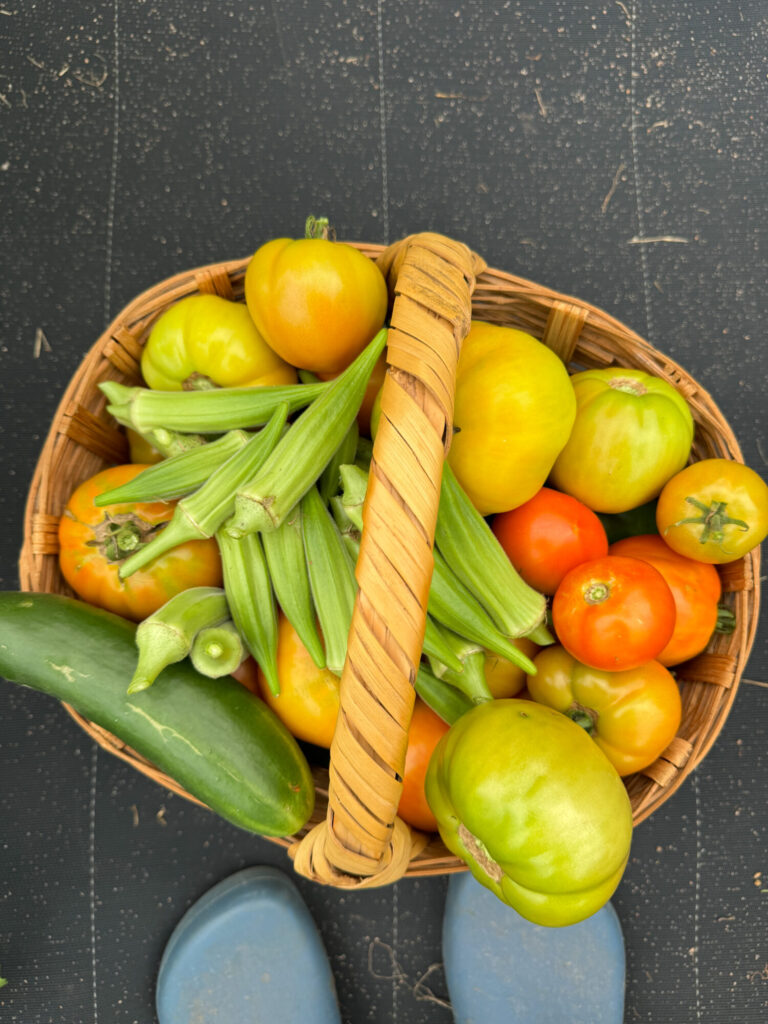
Living in the Deep South, we are used to very hot and humid summers. While it’s nice to have a long growing season, there are just some fruit and vegetables that can’t take the heat.
With temperatures soaring into triple digits for much of the summer, it can be hard to maintain a healthy garden.
Luckily, there are some heat-loving plants that don’t mind a hot day. Take a look at the top 15 BEST heat-tolerant fruits and vegetables.
More Gardening Articles You’ll Love
The BEST Heat-Tolerant Fruits and Vegetables
1. Watermelon
Watermelon is very common in the lower states with higher growing zones. That’s because it can take the heat.
Watermelon gets its name from its ability to store water. Water travels from the soil into the root of the plant where it is stored in its fruit.
This is one way the watermelon plant is able to survive in very hot climates.

2. Corn
Corn is another crop that can take the summer heat. It loves temperatures of 85° F or above to thrive.
While corn loves heat, it also needs rain to grow. Very dry climates or places that experience drought will not have a good corn yield.
It’s best to plant corn in spring as soon as the last frost date passes. Generally you’ll experience more rain as the seasons change.
3. Peas
There are many varieties of peas that can take a hot climate. My favorite to grow here in the Deep South is purple hull peas.
Not only do they thrive in hot climates, but they will also grow during the early fall.
If you live in an area with a longer growing season, you may be able to get a couple of pea crops during the same year.

4. Green beans
Green beans come in several varieties. However, the bush varieties grow great in warm weather.
They can take the heat, and since they have bush qualities, they help to retain moisture in the soil.
Beans are also great for canning and storing long term.

5. Tomatoes
There are many varieties of tomatoes (such as cherry) that can take the heat. Heat-tolerant varieties will set fruit even with temps as high as 95° F.
If you live in a hot or humid climate, look into those that are heat tolerant.
Sometimes in very humid climates, the pollen will be wet and the plant will not set fruit. Also, even if the variety is heat tolerant, a shade cloth is very helpful in getting your fruit to ripen as well as reducing stress on the plant.
You can also pull the fruit off early when you start to see it changing color. It will continue to ripen indoors and help to prevent splitting of the tomato.

6. Okra
Okra is a great heat-tolerant plant that will give you yields for most of the summer and often into the fall. The plant originated in East Africa, so it thrives in hot climates.
Clipping the okra pods will encourage the plant to continue to grow.
Okra is also easy to direct sow in warm soil.
7. Yellow Squash
There are many different types of squash varieties. Some enjoy the cooler fall temps while others prefer the heat. Summer squash or Yellow squash is a heat-loving variety that will produce abundantly.
Because yellow squash doesn’t mind the heat, succession planting is a great way to enjoy it all summer long.
I have found it best to plant a row every two weeks, being sure to remove older plants that are past their prime.

8. Cucumber
Like yellow squash, cucumber also enjoys the heat of summer. However, they’ll need plenty of water to stay healthy.
Be sure to choose a variety that is disease-resistant and can take full sun.
You can also succession plant cucumber to keep producing vines all season.
9. Peppers
Peppers love the heat. In fact, they take a while to get going well, but once they do, you’ll have an abundance.
Jalapeño peppers are a great variety for growing in very hot zones. Early peppers will be milder than their late-season counterparts.
Other great heat-loving varieties are bell peppers, Tabasco, and banana peppers.
Peppers also don’t mind being in pots. If you live in an area with limited yard space, grow a few plants on your deck or balcony.

10. Eggplant
Eggplant is another great heat-loving plant. Even here in the Deep South where temps soar into the triple digits, the eggplant doesn’t seem to mind.
Not only does the eggplant not mind the heat, it will produce a beautiful and versatile vegetable for you to boot.
Like peppers, eggplant gets a slow start. They aren’t great for direct sowing, so starting plants early will give you more production during your growing season.
11. Peaches
There are many southern states that are known for their peaches, and that’s because peaches love the summer heat.
Nothing says summer quite like a vine-ripened tomato and fresh peaches. Peaches are juicy and sweet fruit that will go great in any recipe.
Even though you can enjoy the juiciest of peaches during the peak of summer, this tree does take a few years to produce.
The fruit is worth the wait and will make a nice addition to your homestead.

12. Figs
Figs are a southern staple. A warm buttermilk biscuit isn’t complete without a large slice of softened butter and delicious fig preserves. I also enjoy a spicy fig preserve cake around the holidays.
Fig trees do require time to produce, but like peaches, they are worth the wait.
13. Blackberries
Some of my favorite memories of summer include picking wild blackberries. These sweet and tart little berries are perfect for so many different recipes, or just a light summer snack.
Blackberries thrive in the heat of summer.
Luckily, there are plenty of varieties available that don’t include the thorns of the wild varieties. The best part is they grow fast and will produce delicious berries for many years to come.

14. Muscadines
Muscadines love the heat of summer and produce an abundance of grape-like fruit that you will love! These vines can be found in the wild here in the Deep South on wood lines and trails.
However, there are male and female plants, so not every vine will produce fruit.
If you want to be sure your vines will produce for many years to come, check out Ison’s Nursery in Georgia. The best part is, they’ll ship the plants to you!

15. Sweet Potatoes
Sweet potatoes are a root vegetable that loves the heat of summer. Since they are a root vegetable, they stay nice and cool underground even on the hottest of days.
Plant them in the spring and enjoy them at the end of summer just before fall.
Check out this yummy sweet potato biscuit recipe!
Helpful Tips
Consistent watering is essential to a productive plant. Be sure to have irrigation available for your garden to ensure you grow a consistent, healthy plant in the heat.
Remove any diseased plants immediately. Some summer vegetables are susceptible to disease. Be sure to remove any diseased plants from your garden immediately before they can spread. Don’t throw any diseased plant on your composted pile.
Take a walk through your garden to reduce pests. If you’re organically growing your garden, the best way to prevent an infestation is to visit your garden in the cool of the morning. Remove any destructive insects you see immediately.
I’ve found this to be the most effective way to keep pests in check.

Nurture your soil. Soil health is essential to growing nutrient-dense, heat- and pest-resistant plants. Do not over till your garden, and add a cover crop in the winter months. Top your soil with a rich compost prior to planting.
Mulch around the base of your plants. Adding mulch around the base of your plants will help to maintain moisture in the soil. This is a great way to ensure your plants thrive in summer heat.
My favorite mulches are straw, grass clippings, and mulched leaves. Mulching is also a great way to feed your soil.
Final Thoughts on Heat-Tolerant Fruits and Vegetables
There are a lot of heat-tolerant fruits and vegetables that will enjoy even the hottest of growing zones. Be sure to do your research on varieties that thrive in warm climates prior to planting your garden.
With a little planning, you’ll have healthy plants all summer long!
If you enjoyed this article, please share it!
More From The Farm
Gardening on a budget can be difficult. From buying seeds and plant starts, to the equipment needed, it’s easy to rack up a large gardening bill.
Fortunately, there are a lot of money-saving hacks will help you have a beautiful garden for an affordable price. In this post, we’ll explore tips and tricks for creating a practical garden that works for you.

Leave a Reply